If you can't see this newsletter properly, please click here |
|
|
Welcome to this week’s SeniorInspire the Newsletter — your favorite weekly read that unlike some of your client leads, won’t ghost you.
This week, we’re diving into the delicate art of following up — how to do it, how often, and how not to come across like you’re begging for a prom date.
We’re also taking the next step in our pricing series with a look at analyzing your market — because “I just copied what everyone else charges” is not the business strategy you think it is.
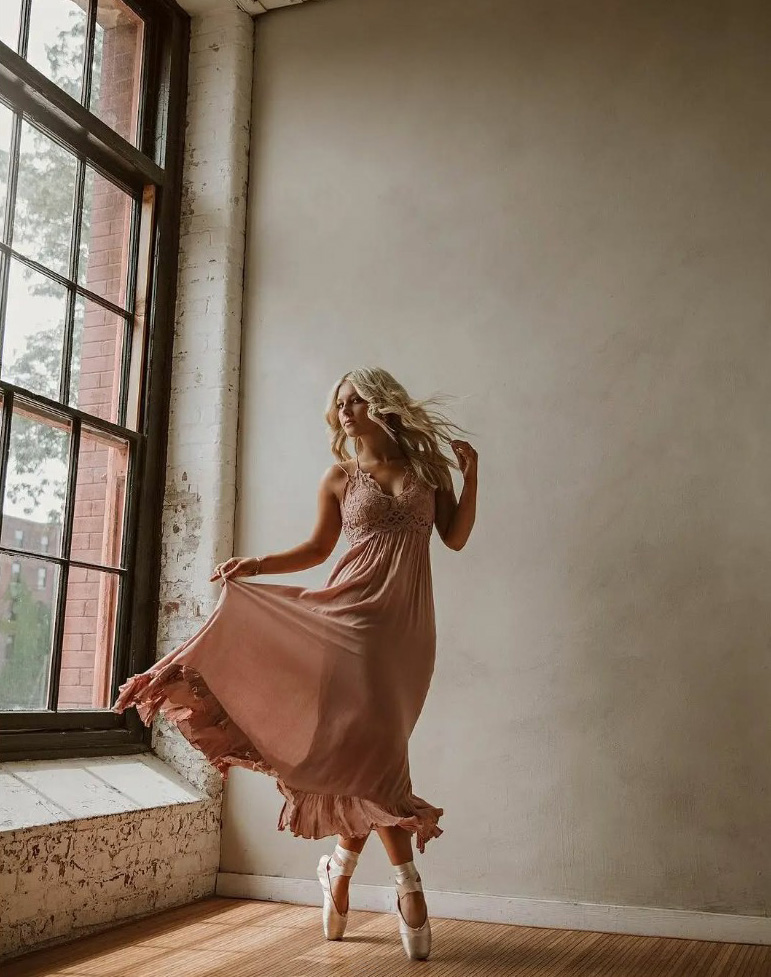
In Why I Love This Image, we’re featuring a gorgeous, elegant portrait from Jennifer Storey Pfeffer that’s basically a masterclass in light and movement.
And finally, our Mentor of the Week is the one and only Darty Hines, who’s here to give you the inside scoop on SYNC — aka the senior photography conference you don’t want to miss. Honestly, not having an excuse to go to SYNC has been the only downside of retirement. 😢
Alright, let’s get into it!
--Nick |
This Week’s Question:
I’ve had several leads reach out lately but then go silent. How many times should I follow up — and what’s the best way to reach out without being annoying? |
OK, you finally get that inquiry you’ve been waiting for, you send your best “I’m so excited to work with you!” message… and then — crickets.
Not even a “Thanks, but no thanks.” Just pure digital tumbleweeds.
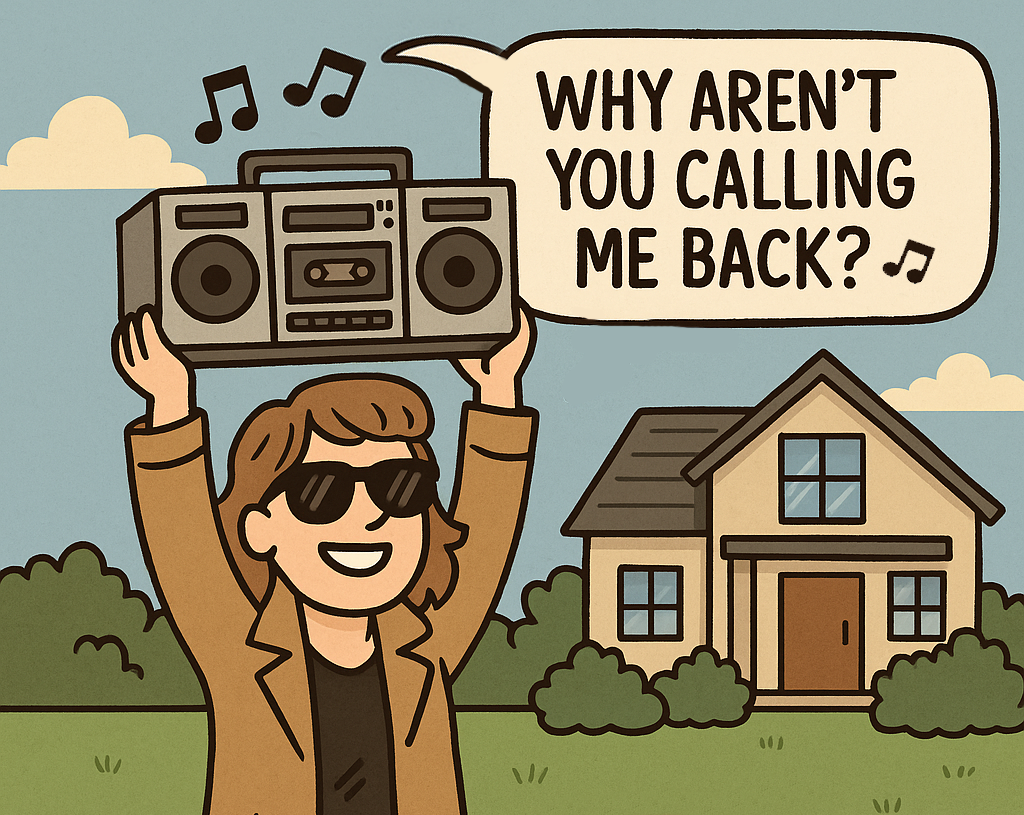
So what’s a photographer to do? Do you follow up once, twice, ten times? Do you show up outside their house holding a print sample like John Cusack with a boombox? (Please don’t.)
Here’s what actually works — and how to follow up with confidence, not desperation.
💌 1. The Golden Rule: Two to Three Follow-Ups, Max
If someone’s gone silent, a simple rule of thumb is three tries before letting go. 1️⃣ First response: asap, but at least within 24 hours of their initial inquiry.
Something like: “Hey [Name], thanks so much for reaching out! I’d love to help you plan your senior session. I’m attaching some info on session options and availability. Let me know if you have any questions!” 2️⃣ Second follow-up: about 2–3 days later.
Something short and friendly like: “Hey [Name], just wanted to make sure you saw my last message! I’d love to get you on the calendar before dates fill up.”
3️⃣ Third follow-up: about a week later.
Still polite, but clearly the last one. Something like: “Hey [Name], totally understand if now’s not the right time! Just wanted to follow up once more in case my emails got buried. Either way, thanks for reaching out and I hope we can work together down the road!” After that, move them to an "unresponsive leads folder" and move on. More on the unresponsive folder later, but for now if they’re interested, they’ll circle back.
📆 2. Time Your Follow-Ups Smartly
Weekday mornings (especially Tuesday–Thursday) tend to get better responses than Friday afternoons or weekends. Parents are checking email before work or between errands. Also, remember: Life gets busy. Band camp happens. Grandma visits. They’re not ignoring you out of spite — they've got a lot going on and unfortunately your leads aren’t thinking about senior photos 24/7 like you are. So don’t worry about “bothering” them. Honestly, a lot of people will thank you for the reminder. And the ones who don’t? Who cares. You’re running a business, not a popularity contest.
📲 3. Use the Right Channels (and Cover Both Bases)
If someone contacts you through text or Instagram DMs, reply on that same channel — it’s the easiest way to keep the conversation moving.
But at the same time, send an email with more detailed info — things like pricing, booking links, a short summary of your process. Your text or DM might look something like this: “Hey [Name]! Thanks so much for reaching out — I just sent you an email with all the details about sessions and pricing. Check your spam folder if you don’t see it!” Here’s why this works:
People tend to be great at checking texts and DM's, but not always so great at checking email. The DM or text grabs their attention, while the email gives you space to share a more professional, polished response with all the info they need.
It’s a one-two punch that makes you look both friendly and organized — and it helps ensure your message doesn’t disappear into the void. |
💬 4. Don’t Be a Sales Bot Avoid sending the same “just checking in!” message three times. Each follow-up should add something.
You might share: - A recent blog post from a senior session.
- A reminder about limited availability (“I’ve got two summer dates left!”).
-
A personal touch like: “Thought of your inquiry when I shot at this downtown location — it would be perfect for you!”
Show genuine interest. Helpful beats pushy every single time. 🙅 5. Know When to Let Go Some people are just ghosts by nature. That’s life.
It’s not a reflection on your work or your worth — it’s timing.
Create an “Unresponsive Leads” folder with these ghosts and check it monthly. You can always send a soft follow-up later. Something like: “Hey [Name], just opening my fall calendar — if you still need senior photos, I’d love to help!” That’s it. Simple. Friendly. Zero pressure.
⚙️ 6. Automate Your Sanity (Without Losing the Personal Touch)
If follow-ups stress you out, consider using a CRM like HoneyBook or Sprout Studio. You can set reminders or pre-write templates that keep your communication consistent.
But I’ll be honest — I’m not a huge fan of fully automated emails. They can feel robotic.
Instead, I use a tool like ToodleDo to remind me which leads I need to follow up with each day. When I send the first message, I immediately schedule reminders in ToodleDo. That way, I can send every follow-up personally — but still stay on top of it without losing my mind.
❤️ Final Thought
Follow-ups aren’t pushy — they’re professional. You’re providing a service by helping clients take the next step before time slips away.
The key is to stay polite, personal, and persistent — but not obsessive.
Three friendly messages spaced over a couple of weeks are enough to show you care, without crossing into “Single White Female” territory.
Do your follow-ups, trust the process, and move on to clients who are ready to say yes. |
Have a burning question you want answered in a future column? Head over to www.seniorinspire.com/asknick. I’ll be there manning the phones and waiting for your questions... |
Each week, I’m spotlighting one standout image from the thousands of senior photos we’ve featured over the years — in the magazine, on Instagram, and beyond. Whether it’s the light, the vibe, or just that unexplainable something, these are the images that made me stop and say, “Wow.” |
This week’s image comes from Jennifer Storey Pfeffer and it first appeared on the SeniorInspire Instagram page back in October of 2021. Even now, years later, it still holds up as a masterclass in elegance and restraint. What immediately stands out is the soft, directional light pouring in from that beautiful old window. It creates the perfect slice of natural light—enough to illuminate our subject without overpowering the scene. And that’s exactly what this image is about: balance.
From the gentle movement in her hair to the grace in her fingertips, this senior exudes poise and calm strength. The en pointe pose anchors the frame with precision, while the flow of the dress adds just enough softness and movement to counterbalance the lines of her posture. The subtle tones of her dress and the surrounding walls give the image a timeless, painterly quality.
There’s also something to be said for the background—it’s quiet. It doesn’t distract. Instead, it allows the dancer to fully own the space. There’s a feeling of stillness that lets the viewer slow down and take in the detail: the textured brick, the rhythm of the windowpanes, the line of shadow breaking across the floor. You don’t need much to make an image this compelling. Just great light, thoughtful posing, and the confidence to let the simplicity speak for itself.
So yeah, that’s why I love this image. |
👂 Pricing - Analyze Your Market (But Don’t Copy It) 👂 |
We're back with the next step in our series on pricing...
Three weeks ago, we kicked off this series by talking about understanding your costs — the foundation every solid pricing strategy needs. Two weeks ago, we tackled defining your income goals — setting a realistic target for how much you actually want to earn.
And last week, we combined doing the math with creating a product mix that supports your goals — the part where you stop guessing and start structuring your prices with intention. And this week, we’re moving onto the next step - Analyzing Your Market — the part where you finally peek over the fence to see what’s happening in your neighborhood (without losing your mind in the process).
🧭 Why Market Analysis Matters
The first steps we talked about were all about looking inward, this one’s about looking outward — but not too far. Think of it as taking your market’s temperature, not copying its entire wardrobe. You’re not trying to find a magic price that guarantees bookings. You’re just gathering information — the context that helps you understand where your business fits into the bigger picture.
The goal? Awareness. You want to know what your clients expect, what the local market looks like, and how your brand and pricing line up with that reality.
💡 How to Research (Without Losing Your Mind)
Keep it simple. This isn’t a doctoral thesis — it’s business awareness. Look at five to ten photographers in your general area and note: - Their starting prices
-
Their style and vibe (luxury, trendy, lifestyle, studio, etc.)
- The kind of experience they promise
- How they talk to their audience
You’re not collecting data to match them — you’re trying to spot trends.
Do clients in your area seem to prefer all-digital packages? Heirloom albums? Short sessions?
Once you understand what’s out there, you can position yourself more clearly and confidently.
⚖️ Don’t Play the Copycat Game
Copying another photographer’s pricing is like borrowing their underwear — it might kinda fit, but it's never going to feel right.
You don’t know their costs, their profit margins, or how much they’re actually keeping. That “$4,500 average” they brag about might include weddings or volume jobs. Who knows?
And even if they’re in your same town, they might be targeting a completely different client type.
You’re building a business that fits you — your costs, your goals, and your clients. Your pricing should reflect that.
💬 Define Your Position — Don’t Let the Market Do It for You
Once you’ve looked around, ask yourself: - What makes me different?
- Who am I really trying to attract?
- What kind of experience am I offering?
If your sessions are highly styled, customized, and involve detailed prep work, your pricing should reflect that elevated service. If your specialty is quick, fun, easy sessions that get great results fast — lean into that and own it. When you know your position, you stop trying to appeal to everyone. And when you stop trying to appeal to everyone, you finally start connecting with the right people.
🎯 How to Tell If You’re in the Right Zone
Here’s a quick reality check: -
If you’re booked months ahead — you’re probably underpriced.
- If you’re hearing crickets — it might not be your price; it could be your messaging.
- If you’re getting a healthy mix of yeses and nos — congratulations, that’s the sweet spot.
Your pricing is data-driven, not emotional. Keep notes on every inquiry, track your closing rates, and look for patterns. Over time, your numbers will tell you exactly where you belong.
🎤 Final Thought
We’re almost at the finish line of this pricing series.
Understanding your market isn’t about comparison — it’s about clarity. You can’t control what other photographers charge, but you can absolutely control your positioning and how confidently you present your value.
Next week, we’ll wrap this series up with the final step — testing and adjusting your pricing. Because let’s be honest — all the planning in the world doesn’t matter until you see how it actually plays out in the wild. |
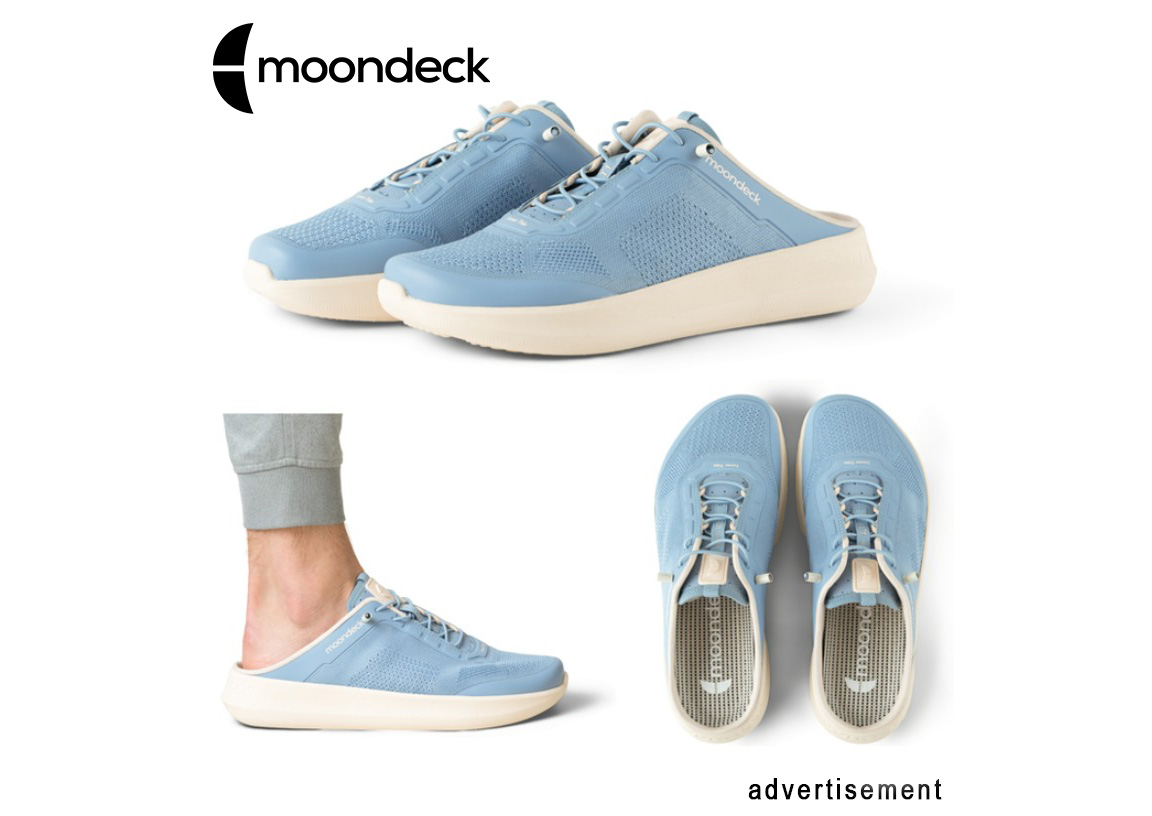
Could these be your new favorite session shoes?
Moondeck is a new backless shoe built to go anywhere — and honestly, they might just be perfect for sessions by the lake where sometimes you just need to be able to slip your shoes off fast. The project’s already fully funded on Kickstarter, but there’s still time to grab a pair at early bird pricing. And while Kickstarter always comes with a little risk, they've already ordered their first production run and even got praise from legit shoemakers like Uggs.
Check them out here. And yes, if you pledge through my link, I get a free pair of colored insoles — influencer status unlocked.
|
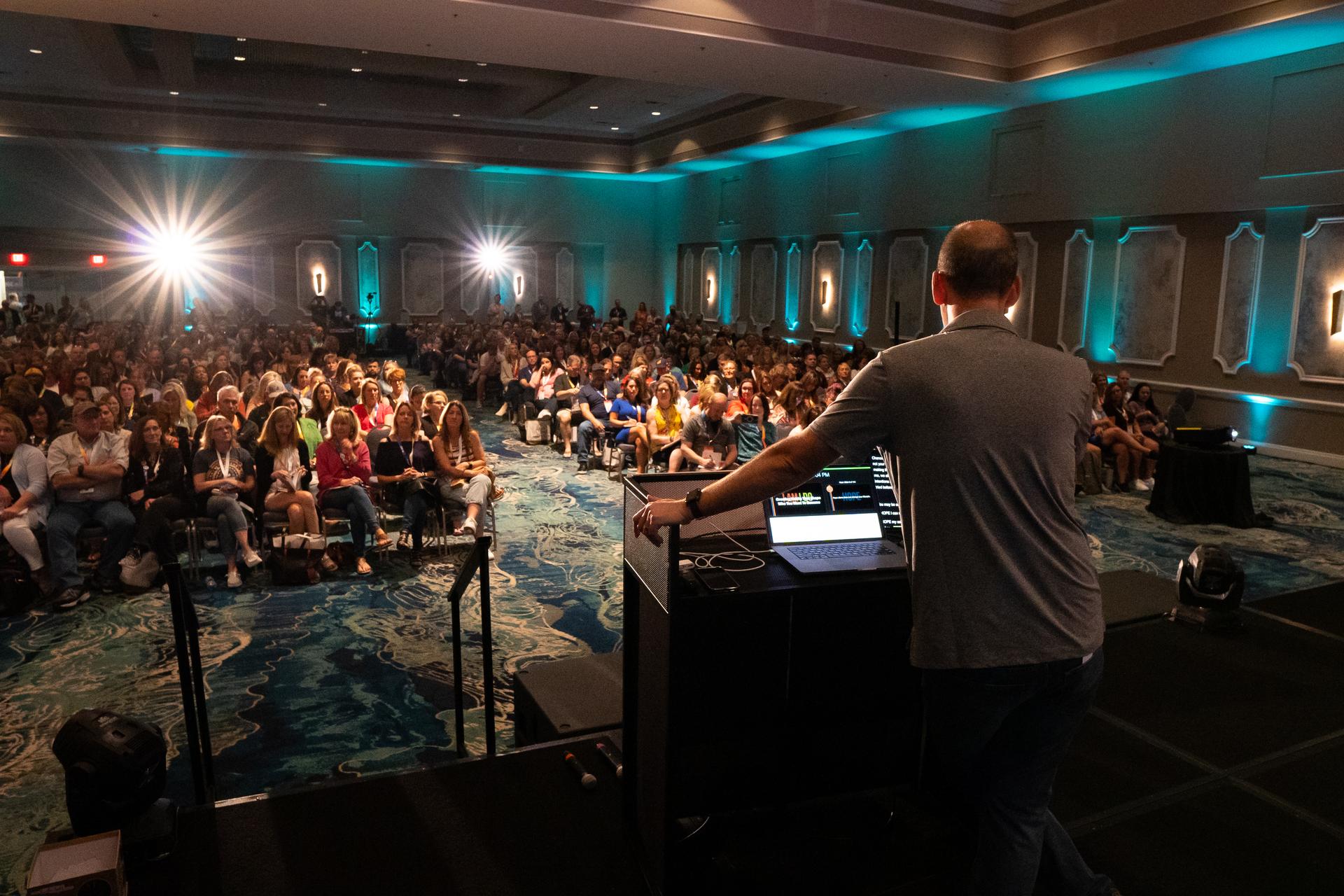
This week’s featured Mentor is someone who’s not only had a hand in shaping the careers of hundreds of senior photographers, but also helped build one of the most tight-knit communities in the industry. Darty Hines along with his wife Michele, are the co-founders of SYNC (Senior and Youth National Conference), a yearly event that blends education, inspiration, and good old-fashioned human connection. Based in Ohio but known across the country, Darty brings years of experience and a deep commitment to helping photographers grow both personally and professionally. If you’ve never been to SYNC, consider this your official invitation (and gentle shove from me) to see what the hype is all about.
|
Can you tell us a bit about the SYNC origin story?
In October 2008, my wife Michele and I learned that another photography conference was shutting down. After some deep discussions, we reached out to the same resort where that event had been scheduled. They were thrilled to offer us space for a new adventure.
Many of our photographer friends already had flights booked to the resort, so we quickly spread the word through the Pro4um and direct mail (no social media back then!) to keep their flights and rooms—something new was coming. Everyone was excited to hear that another senior portrait conference would step in to fill the gap.
In November 2008, Michele came up with the name SYNC (Senior and Youth National Conference) right in our kitchen, and we were off and running. Just two and a half months later, the very first SYNC took place in St. Pete Beach, Florida, in late January. We had about 250 attendees and 20 vendors that first year. Since then, SYNC has grown to welcome around 400–500 attendees and 40 companies in the trade show each year. Hosting and planning a conference isn’t for the faint of heart—it’s a big risk—but the reward is seeing everyone come together each year to reconnect, share ideas, and grow together. Honestly, we can’t imagine doing anything else. How many SYNCs have there been, and when did you realize it was truly sustainable?
SYNC 2026 will mark our 18th year, and we’re already planning an incredible 20th anniversary celebration in 2028.
There are still days we wonder about sustainability, but I think it really became real around 2015–2016. That’s when we both left our full-time jobs for various reasons and decided to focus on SYNC full-time. I vividly remember sitting in a Chipotle with Michele, having that life-changing conversation… “We’re going all in.” When you have a young family and you make a leap like that, the pressure is on. But we prayed about it, committed fully, and we’ve never looked back. |
Who is the ideal photographer for SYNC?
Great question, and one we get often. SYNC is designed for high school senior, youth sports, and volume photographers. That said, I believe photographers can learn something valuable from any conference, no matter the genre. Everyone starts somewhere, and SYNC is a fantastic place for beginners to gain real, actionable knowledge.
For more established photographers, there’s always room to grow. One great example is Gary Box—he’s been in business for decades, yet he still attends every year, notebook in hand, ready to learn. The biggest mistake photographers make is thinking they’ve “arrived” and no longer need to learn or innovate. Especially now, with the rise of AI, it’s more important than ever to dig deeper, adapt, and evolve. What’s a typical day like for a SYNC attendee?
I honestly have no idea! I’m usually running around making sure everything runs smoothly!
But from what I see, it probably starts with a giant cup of coffee after a late night of great conversations about photography, business, and life.
Then it’s off to morning sessions, notebook in hand, with your brain buzzing from all the new ideas. After a couple of inspiring classes, you head to lunch with new friends to keep the discussion going.
Next stop: the trade show, where you can connect directly with companies, test new gear, and discover products firsthand without the massive crowds of larger events. The atmosphere is relaxed, genuine, and relationship-driven.
After the afternoon sessions, it’s dinner, laughter, and more connection, followed by evening networking in the SYNC Lounge or Volume Works. Around midnight, you finally call it a night… and wake up ready to do it all over again.
Even after the conference ends, you can stay connected in SYNC Circle, our private online community where the learning and friendships continue all year long. |
Do you have a most memorable SYNC?
Absolutely—SYNC 2014 in St. Augustine, Florida, stands out the most. It was one of our most challenging years, both logistically and personally. The hotel wasn’t prepared for our group, meals ran behind, and attendees often missed classes because of delays. We also didn’t meet our room block requirement, which was an expensive lesson in event planning.
To top it off, a major ice storm swept across the country at the end of the event, forcing many attendees to leave early to avoid travel delays.
Beyond the logistical hurdles, that year also forced us to take a hard look at the overall direction and future of SYNC. There were outside influences that had differing ideas about what the conference should become, and it pushed us to really define our vision and values. It was tough, but we learned so much from that experience—about business, leadership, and resilience. We made major behind-the-scenes changes afterward, and that year became a foundation for the SYNC that exists today. 2014 was a turning point that clarified who we were and what we wanted SYNC to stand for: community, connection, and integrity. What’s the best thing you hear from photographers who attend SYNC?
Hands down: “I met my best friends at SYNC.” Being a small business owner can feel lonely. But when you find your people and stay connected throughout the year, it changes everything. We’re honored to hear story after story of genuine friendships that started at SYNC and have grown across states (and even countries).
What’s one “rookie mistake” photographers make that SYNC can help them avoid?
One common mistake I see is relying too heavily on Facebook groups for advice or education. Those spaces can be great for quick tips or support, but it’s hard to know who’s really behind the screen giving that advice—or whether they’ve actually built a successful business themselves. At an in-person conference like SYNC, you’re learning face-to-face from proven professionals who openly share what works (and what doesn’t) in real life. You can ask questions, get feedback, and have real conversations with people who genuinely want to help you grow. Another huge advantage of attending in person is the trade show. You simply can’t replicate that experience online. Seeing and touching products—like albums, wall art, and photo gear—gives you a true appreciation for the craftsmanship and quality behind them. It helps you price your work confidently and choose the best partners for your studio. The trade show is truly the heartbeat of SYNC. It’s where ideas, relationships, and opportunities come to life, and it’s one of the biggest reasons why showing up in person is so powerful.
|
What’s something people might be surprised to learn about you?
I almost went to college for music education. I loved my high school music teacher—she had such a cool, encouraging energy, and I wanted to follow in her footsteps. (She also looked the other way when I was skipping class.)
I was torn between pursuing music or photography, so I talked to both my art and music teachers. My art teacher was incredibly supportive of my photography path and really helped me make that decision. It’s a good thing she did, because college is where I met Michele! When is the next SYNC, and how can people learn more or register?
SYNC 2026 will take place February 20–23 at the Sandestin Golf and Beach Resort in Destin, Florida. Photographers can register at www.syncrocks.com and save $150 with code SYNC150. You can also follow us on Instagram for updates, community stories, and behind-the-scenes content. |
|
|
Are you teaching a workshop on the horizon, I’d love to help you spread the word. NO CHARGE - No strings.
Just send me the details and a graphic, and I’ll get it in front of a bunch of senior photographers who might want in.
SeniorInspire the Newsletter goes out to about 2,500 senior photographers across the country, and nearly half of them actually open it (the rest are slackers who probably don't go to workshops either).
Anyway, just reply to this email with the details and a graphic, and I’ll get it in front of a bunch of senior photographers who might just want in.
Simple as that. |
If you made it this far and have any opinions or ideas I'd love to hear it. Good, bad, whatever. Just hit reply or send me an email and let me know what you think. I love the feedback! |
Thanks for reading this week’s edition of SeniorInspire the Newsletter.
I’ve had this week's tune of the week, Warren Zevon’s “Werewolves of London” on repeat all week, thanks to a fresh reissue of his Excitable Boy LP — and while the lyrics are pure weird genius, there’s something about that offbeat confidence that stuck with me.
Following up with leads or analyzing your market doesn’t always feel like creative work — but it’s where real success starts. Knowing who you're talking to and how often to reach out? That’s how you stop guessing and start growing. So crank the volume, do the follow-up, and don’t be afraid to stand out a little — even if your hair isn't werewolf perfect. 🎧 Werewolves of London – Warren Zevon
Until next week… Ah-oooh. Nick
SeniorInspire |
Not subscribed? Go HERE to get on the list. |
|
|
|