If you can't see this newsletter properly, please click here |
|
|
Welcome to this week’s edition of SeniorInspire the Newsletter! I hope your fall has been both busy and profitable... As we cruise into the heart of the season, this week’s issue is all about getting a better handle on the business side of things.
We’re kicking things off with a look at when you should — and shouldn’t — offer discounts. Spoiler: “People aren't booking me without discounts” is a terrible reason.
We’re also breaking down how to estimate your costs, both fixed and variable, so you can stop guessing and start building them into your pricing with confidence.
In Why I Love This Image, we’re featuring a striking, beautifully lit portrait from Gary Box — a photo that shows why he’s long been one of the best in the game. And finally, our Mentor of the Week is Kirsi Kilpelainen, whose style and insight are as sharp as her images. Let’s dive in! |
This Week’s Question:
Should photographers ever offer discounts — or is that just a fast track to burnout and broke? |
It happens to every photographer eventually. You get that DM: “Hey, I love your work, but do you ever offer discounts?”
And suddenly you’re sitting there, questioning your entire pricing structure, your marketing, your self-worth, and quite possibly your life choices.
The truth? Discounts aren’t automatically evil — but they’re a tool you have to use carefully. Used wrong, they can devalue your work and burn you out. Used right, they can help you fill your schedule and gain momentum. The trick is knowing the difference.
💬 1. Start with why you’re discounting.
If you’re discounting out of panic, guilt, or because your calendar looks like a ghost town, that’s a red flag. But if you’re doing it strategically — maybe to fill a slow season or jump-start bookings for next year — that’s a plan, not a problem.
The “why” makes all the difference.
💵 2. Be intentional about what you discount.
Here’s what worked for me: I built my package prices around what I needed to make per client, then added a $200 session fee on top that I considered gravy.
That made it easy to draw a hard line — I never discounted products or photography purchases, but I could adjust the session fee whenever I needed to boost bookings.
It let me stay profitable while still offering a perceived deal.
🗓️ 3. Time your discounts strategically.
Timing matters just as much as structure.
For me, I offered discounted session fees during slower months — winter, when things were quiet — and again in early spring as I started ramping up for the next senior class.
Those early discounts created momentum. By the time I hit the busy season (fall), I was already rolling, booked solid, and didn’t need to discount a thing.
That’s the key: use discounts to create momentum if you need it, not to survive.
🚫 4. Be careful who you attract.
Clients who book because of a deal often stick around for the next deal. They’re not loyal — they’re opportunistic. And if you’re not careful, your inbox fills with bargain hunters instead of dream clients. Worse, your full-price clients start wondering why they’re paying more than the people who waited for the “sale.”
🧠 5. Discount with perceived value, not price.
If you want to give clients something extra, make it a bonus, not a markdown.
Add a few extra digital images, a small print, or a quick mini add-on that costs you little but feels special. That way, you’re giving them more perceived value without cutting into your actual revenue.
|
💬 6. If you discount, make it rare. Discounts should feel like a treat, not a habit.
When they pop up all the time, clients stop seeing them as special and start seeing them as your real price.
Frame any promotion as an event — “Spring Kickoff Sessions,” “Winter Booking Special,” or “Limited 10-Session Sale.”
The goal is excitement, not desperation.
⚡ 7. The burnout math.
Here’s the burnout formula: Lower prices = more clients = more editing = less sleep = resentment = burnout.
If you’re going to discount, make sure you’re not just filling your calendar with busy work that doesn’t actually move your bottom line. ❤️ 8. The exceptions. There are a few times when discounting makes sense: -
Portfolio building. Call it “introductory pricing,” not a “discount.”
- Community causes. If you’re giving back, it’s not a markdown — it’s a donation.
- Client loyalty. Reward long-time clients with small perks or bonuses, not coupons.
🧢 9. The Noob Caveat
This is for any new photographers who may be reading... When I was first starting, I remember a workshop leader telling me my pricing should be the same as his — after all, food costs the same for both of us.
Come on! That was hogwash.
If you’re brand-new to photography, this is not the time to stress about whether you should discount or not. You’ve got bigger priorities. Your goal right now isn’t to maximize profit — it’s to get experience, build your portfolio, and start learning how this business actually works. Do whatever you need to do to get those first ten seniors in front of your camera. Offer model calls, do a few sessions for friends, trade shoots for referrals — whatever helps you build confidence, consistency and content. Worry about the pricing and the business structure later, once you’ve got a solid 10 to 20 sessions under your belt. That’s when you’ll have enough real-world perspective to start to make smart decisions about your value. Right now? Focus on getting better, not richer. The rest will follow.
🎯 10. Confidence attracts, discounts chase.
Discounting is reactive. Confidence is magnetic.
When you know your value, your prices make sense — not because they’re low or high, but because they’re clear. You stop convincing people to hire you and start attracting people who already want what you do.
🎤 Final Thoughts
Discounts aren’t the villain — they’re just misunderstood. The difference between smart strategy and self-sabotage is knowing why you’re offering them, what you’re offering, and when. So, should photographers ever offer discounts?
Sure — if they make sense for your business. Just make sure they’re helping you grow, not digging your financial grave.
In other words, use them to build momentum, not to buy survival. |
Have a burning question you want answered in a future column? Head over to www.seniorinspire.com/asknick. I’ll be there manning the phones and waiting for your questions... |
Each week, I’m spotlighting one standout image from the thousands of senior photos we’ve featured over the years — in the magazine, on Instagram, and beyond. Whether it’s the light, the vibe, or just that unexplainable something, these are the images that made me stop and say, “Wow.” |
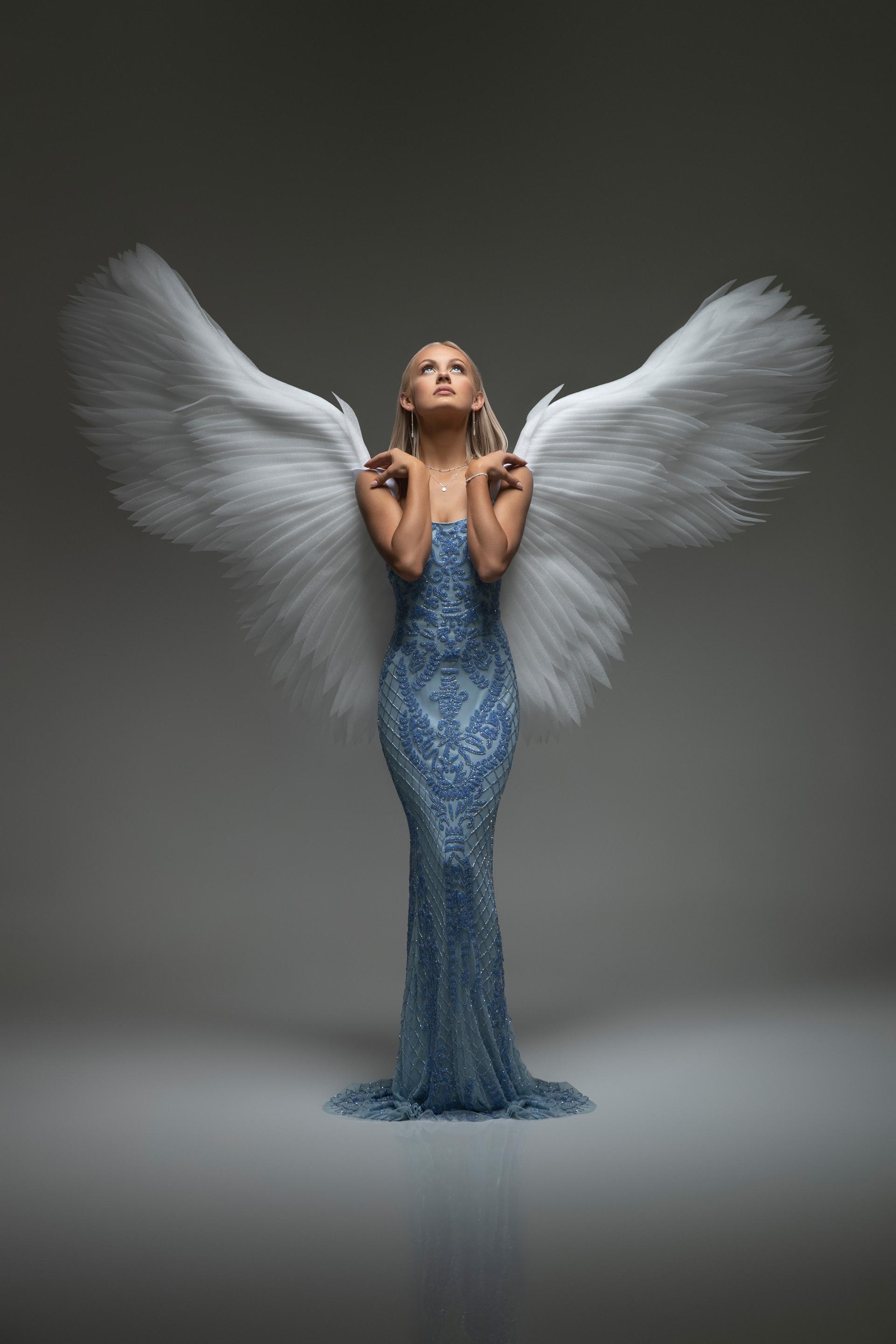
This image from Gary Box was one of our Rockstar winners from the 2022 Photographers I’d Like to Follow issue of SeniorInspire the Magazine — and when it came in, it honestly felt like a full-circle moment for me.
I’ve considered Gary to be a mentor for years. Back in the day, I soaked up everything he had to say about photography on the old Pro4um — every post, every critique, every lighting breakdown. Later, I had the chance to learn from him in person through a couple of his weeklong workshops and at least one state-level presentation.
So to have him submit to our little contest? That was already a thrill. But then to have this image arrive in the submission pile? That just knocked me out. Let’s start with the obvious: this image is jaw-dropping.
Gary is known for his lighting, and he doesn’t let us down here. The light is heavenly — quite literally. It rains down from above in a way that sculpts the subject’s face, arms, and dress with care and precision. There’s no harshness. Just soft, angelic glow that builds the mood perfectly. And the concept? Bold. Elegant. Fully realized. Angel wings can so easily veer into cliché, but not here. These wings are placed and lit with such care, they become believable — even majestic. The high fashion gown in icy blue adds sophistication to the fantasy, and the clean studio setting keeps the image grounded in artistry, not gimmick.
The pose is stunning. Classic hands-to-collarbone positioning, a subtle tilt of the chin upward — and those fingers, gently curled, are exactly the kind of detail that sets this apart. You can tell this is a photographer who not only understands posing — but literally wrote a book about it.
And let's not forget the senior — her expression is soft, serene, powerful. Her eyes are lifted, her face composed — like she’s about to rise, but hasn’t quite figured out how to get off the ground. She sells the concept completely.
I also love the color harmony in this image — the soft gradient of gray in the background, the icy blue of the gown, the pale wings, and her luminous skin tone all flow together beautifully. Nothing feels out of place. There’s a quiet restraint in the color palette that makes the image feel timeless. Now, if I had to nitpick about something… Nah, I got nothing.
This is the kind of portrait that lives at the intersection of fashion, fantasy, and finesse — and very few photographers can navigate all three as masterfully as Gary has done here.
So yeah, that’s why I love this image. |
💰 Math Isn’t Sexy — But Making Money Sure Is 💰 |
Last week we talked about knowing your numbers — the not-so-glamorous but absolutely essential side of pricing your photography. This week, I want to take a deeper dive into those numbers and talk about your costs.
Every photography business has two types of costs: fixed costs and variable costs. Understanding which is which can make all the difference when you’re figuring out how much to charge (and how much you actually get to keep).
📸 Fixed Costs: The “Whether You Shoot or Not” Expenses Fixed costs are the bills that show up whether you have a packed calendar or a slow season. They don’t care if you’ve got ten shoots this month or zero — they’re just there, waiting for payment. For photographers, fixed costs often include things like: - Studio rent or office space
Utilities - Website hosting and domain fees
- Insurance (liability, equipment, etc.)
- Business licenses or legal fees
-
Software subscriptions (Photoshop, Evoto, Dropbox, etc.)
- Equipment loans or monthly leases
- Marketing tools and studio management systems
- Education and workshops
-
Equipment allowance or upgrade budget
These are your “keep the lights on” costs — the backbone of your business. Even if you take the month off, they’ll still be quietly billing your credit card. The good news? You can plan for them. Once you know what your fixed costs add up to for the year, you can divide that number by your typical number of sessions to understand how much each session needs to contribute just to cover overhead. 💵 Variable Costs: The “Depends on the Job” Expenses
Variable costs, on the other hand, change depending on how many sessions you book or what type of work you do. They’re directly tied to your activity level — more shoots mean higher costs.
For photographers, variable costs can include things like: - Printing, framing, and product costs
- Client gifts or welcome packages
-
Props, styling items, or wardrobe rentals
- Assistant pay
- Travel costs (gas, tolls, parking)
- Shipping or packaging materials
-
Snacks and drinks for clients during sessions
- Credit card processing fees
- Income and payroll taxes
Variable costs scale up or down as your workload changes. If you double your sessions, these expenses will likely double too. 🧮 Why This Matters When you understand your fixed and variable costs, you stop guessing what your pricing should be — and start calculating what it needs to be.
Let’s say your fixed costs total $12,000 a year and your variable costs average $100 per session. If you plan to shoot 60 sessions, you’ll need to charge enough that 1/60 of your fixed costs ($200) plus $100 in variable costs are covered — before you even think about paying yourself.
Knowing these numbers lets you model out realistic pricing, set meaningful profit goals, and avoid that “where did all my money go?” feeling at tax time.
Because once you’ve got a handle on your costs, figuring out where your prices need to be isn’t guesswork — it’s math. And sure, math might not be sexy… but neither is being broke. |
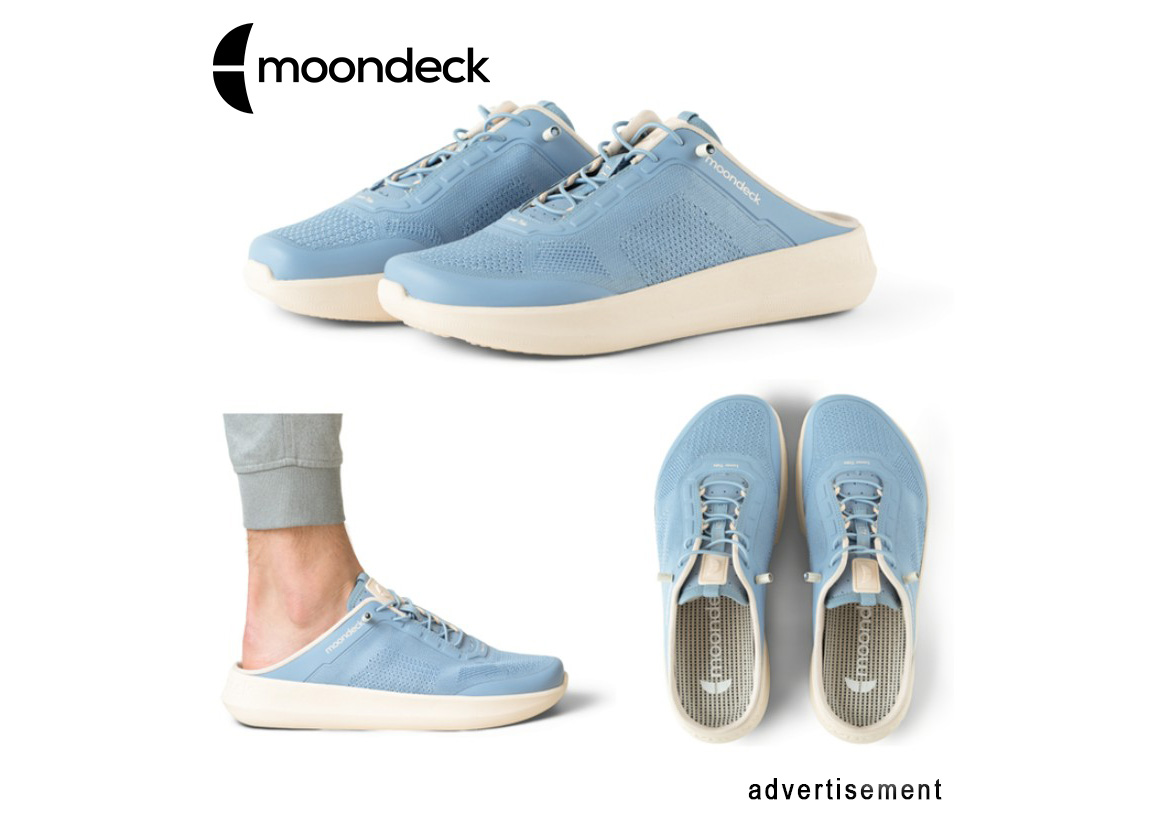
Apparently I’m on Kickstarter’s “send this guy everything” email list, because I get pitched for new products daily. Most of them are things no one asked for, but this one actually caught my attention: Moondeck Shoes, a backless shoe built to go anywhere. And honestly, I think these may become your new lucky photo session shoes.
This Kickstarter project is already fully funded, but it’s not too late to get in on the early bird pricing. Sure, if you know anything about Kickstarter, there's always some risk — every now and then someone’s “revolutionary” gadget turns into vaporware — but Moondeck seems legit. They’ve already ordered their first production batch of shoes and even gotten nods from actual shoemakers like Uggs, which makes me feel pretty good about this one.
If you want to check them out, you can find all the project details on Kickstarter using this link. And yes, if you pledge through my link, I get a free pair of colored insoles — which, frankly, feels like the influencer deal I was born for. |
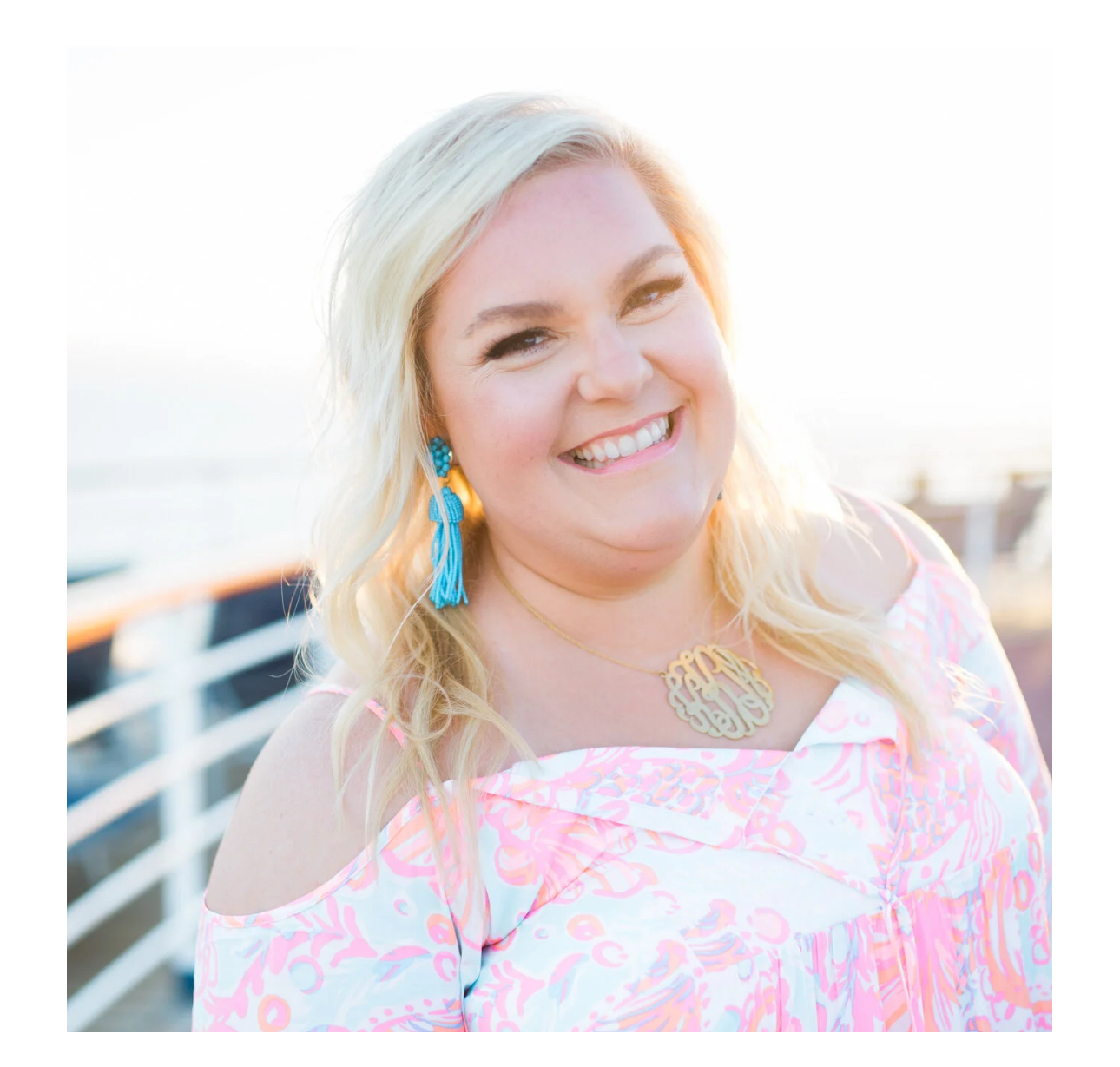
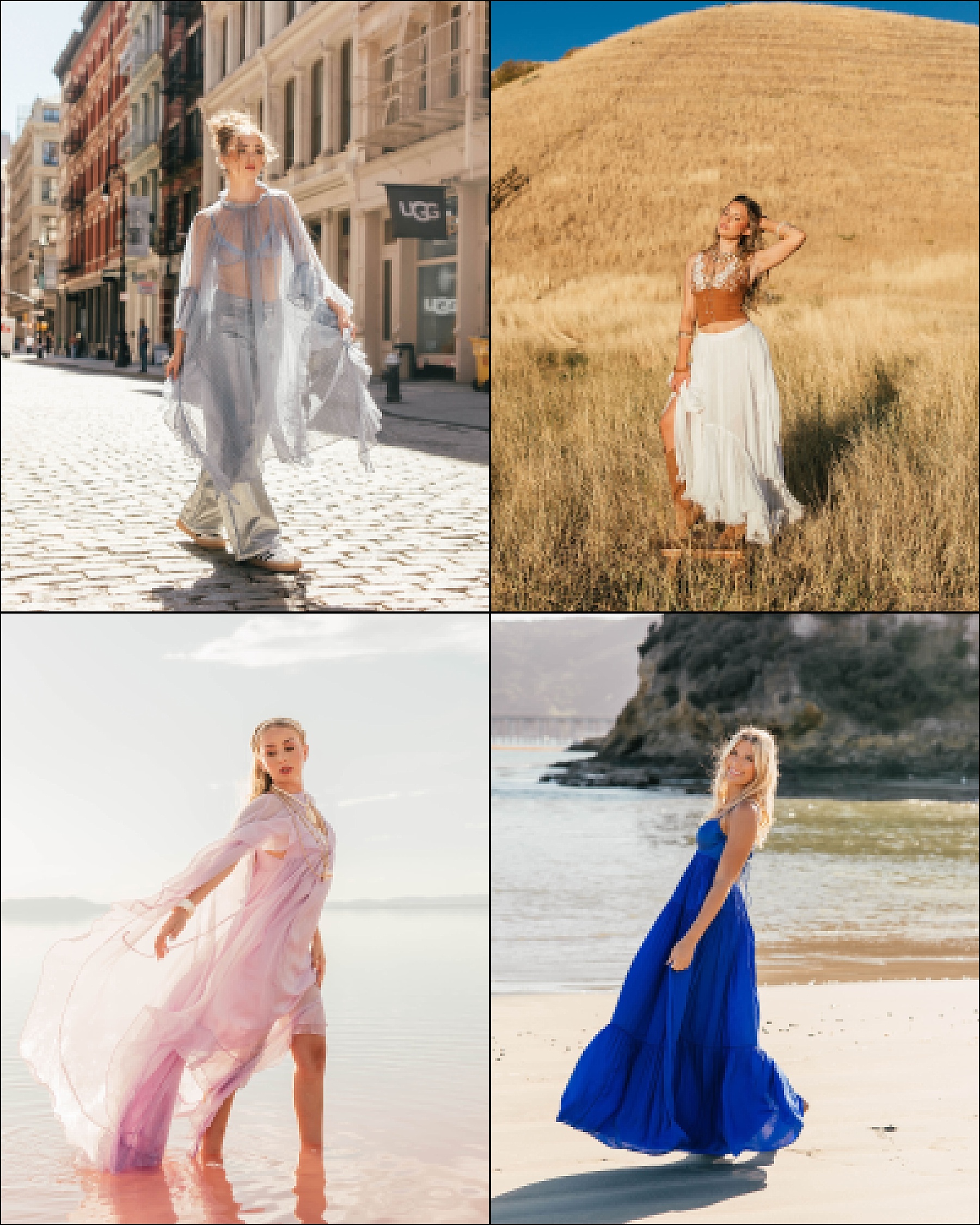
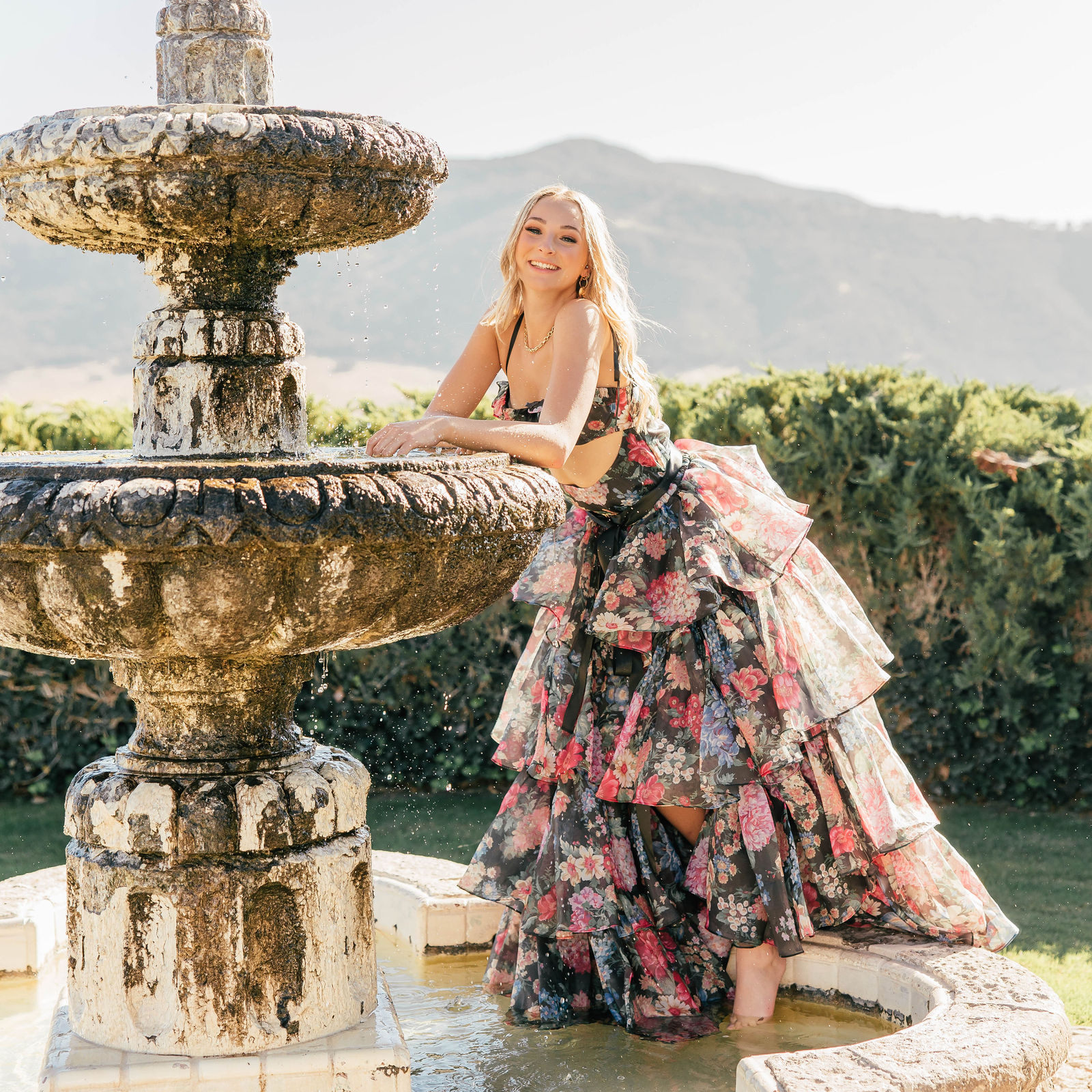
This week, we’re thrilled to feature Kirsi Kilpelainen, a natural light specialist and long-time senior photographer based in San Luis Obispo, California. With over a decade in the game and a passion for hands-on education, Kirsi has helped countless photographers find their voice through conferences, destination workshops, and personalized mentoring. She’s not only the founder of the boutique-style Snapshot Conference, but also an energetic and deeply empathetic educator who’s all about efficient workflows, authentic images, and empowering others to stop blending in.
|
What type of mentoring do you offer?
After over a decade specializing in senior photography, I began teaching through conferences, workshops, and mentorships. I just celebrated the 5-year anniversary of my conference, Snapshot — a 3-day boutique experience with speakers and 1:1 shoot time with over 30 models. The goal is simple: learn in a supportive environment and immediately apply what you’ve learned with hands-on guidance.
I also host Destination Workshops, which are 2-day, small-group experiences (never more than a 1:5 instructor-to-attendee ratio). We shoot all day, in all kinds of light, and focus on posing and natural light mastery.
I’m a true natural light photographer — I don’t even use a reflector anymore! I’ve learned to shape light using what’s around me, and I love teaching other photographers how to do the same. I also offer online mentorships and classes on lighting, posing, and workflow efficiency. Who is your ideal mentee?
Mostly high school senior photographers who shoot outdoors using natural light — whether they’re newer or more established. As long as they know how to shoot in RAW and have the desire to grow, they’re the right fit. Did you have any mentors starting out?
Interestingly, I did — but my experience wasn’t what I expected. I looked up to someone and had a truly disappointing experience at their educational event. I second-guessed myself for a long time after that. But in hindsight, it shaped who I am as an educator — empathetic, encouraging, and passionate about creating a space where photographers feel supported, not judged. . |
How would you describe your shooting style?
True to color, fast-paced, full of movement, and always set in beautiful, natural scenery.
What topics do you most enjoy mentoring on?
Styling, natural light, pose flow, and workflow efficiency.
I spend less than an hour editing my senior sessions (go check out my Instagram!) because I believe we don’t need to be glued to our computers to create stunning images. Once you understand how styling, light, and posing all work together, your editing time drops dramatically — and that means more freedom, more clients, and less burnout.
If you could go back and mentor yourself when you were just starting out, what would you say?
I’d tell myself to stop trying to blend in. For too long, I tried to combine what others said I should do with what I saw successful photographers doing. It took time to trust my own creative instincts and build a business that truly reflects me. |
What’s one underrated skill or habit photographers should be developing (but usually don’t)?
Talking to your clients — especially teens — constantly.
So many photographers give one pose direction and then go quiet. But seniors need reassurance and energy! I’m never silent for more than two seconds while I shoot. Even small things like, “Nice!” “Yes!” “You’re killing it!” make a huge difference. The energy you put out is what you get back — and it’ll level up your portfolio more than any new lens or preset. How should potential mentees contact you?
I love connecting with photographers! You can DM me on Instagram anytime at
📸 @snapshotphotographyconference
📸 @lkphotoshoots My website also has more details and contact info. Thanks so much for having me! |
|
|
Are you teaching a workshop on the horizon, I’d love to help you spread the word. NO CHARGE - No strings.
Just send me the details and a graphic, and I’ll get it in front of a bunch of senior photographers who might want in.
SeniorInspire the Newsletter goes out to about 2,500 senior photographers across the country, and nearly half of them actually open it (the rest are slackers who probably don't go to workshops either).
Anyway, just reply to this email with the details and a graphic, and I’ll get it in front of a bunch of senior photographers who might just want in.
Simple as that. |
If you made it this far and have any opinions or ideas I'd love to hear it. Good, bad, whatever. Just hit reply or send me an email and let me know what you think. I love the feedback! |
Thanks for reading this week’s edition of SeniorInspire the Newsletter. Whether you’re coasting through a packed fall schedule or catching your breath before the holiday rush, I’m glad you’re here.
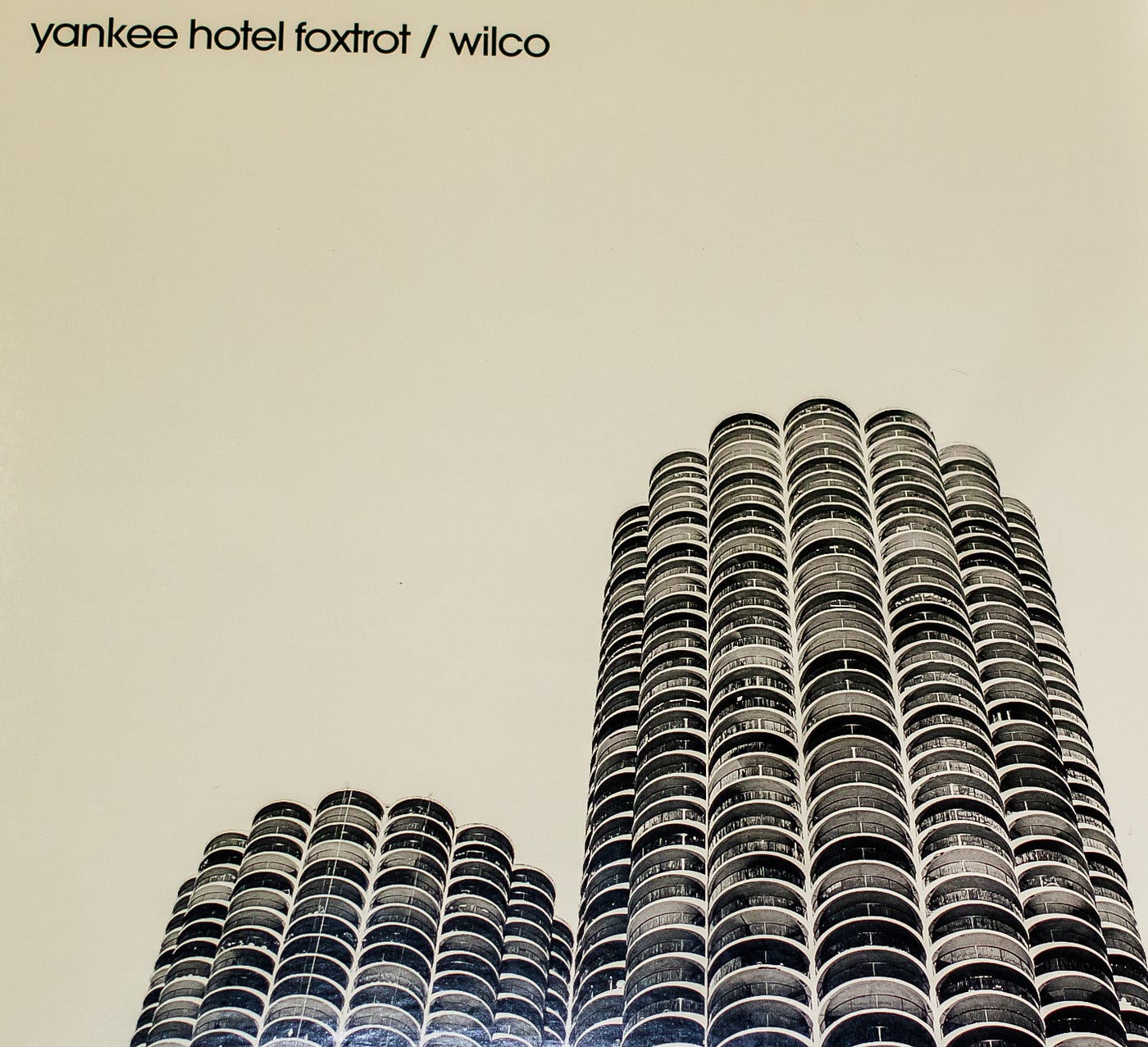
This week’s Tune of the Week is “Kamera” by Wilco, from their 2002 masterpiece Yankee Hotel Foxtrot. It’s moody, introspective, and has this line — “I need a camera to my eye…” — that’s been sitting with me for years. Fitting for a newsletter about photography, right? But also fitting for the headspace we get into as creatives — always framing, always trying to make sense of things through the lens.
Whether you’re working through tough edits, tricky clients, or just trying to figure out your next move, maybe this song will hit you like it hits me — as a reminder that what we do with a camera is often just as much for ourselves as it is for them. 🎧 Kamera – Wilco |
See you next week. Keep shooting. Keep sorting it out. Nick
SeniorInspire |
Not subscribed? Go HERE to get on the list. |
|
|
|